
Hospitality Security Intelligence
Discreet guest-area cameras, biometric store access, and verified shift attendance, Ministry of Tourism compliant from day one.
- Ministry of Tourism classification-compliant CCTV
- Face-recognition access on kitchen, bar, and stores
- Biometric shift attendance across all departments
How Hospitality Operations Run Today. Where the Risk Sits.
A snapshot of the operating environment, challenges, and security priorities that shape every Infinoid Secure deployment in this sector.
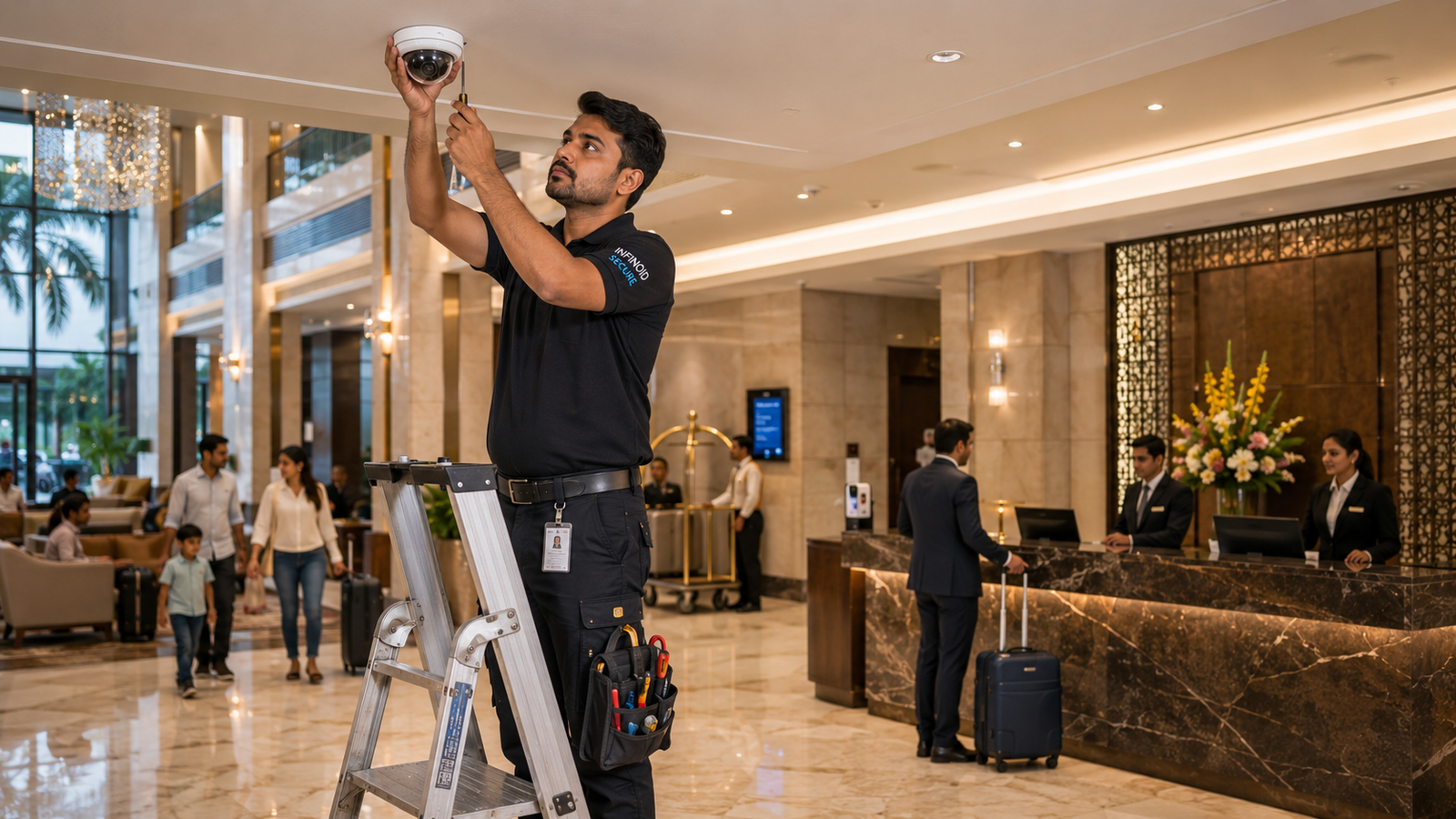
Hospitality
Live DeploymentThe Security Challenge
A hotel simultaneously operates a guest-facing space where cameras must be discreet, a high-value store environment where internal theft is persistent, and a large rotating workforce where attendance fraud is common.
Ministry of Tourism Classification
CCTV coverage of lobby, parking, and common areas is a criterion for star-category rating. Hotels seeking classification upgrade or renewal must demonstrate functioning coverage to the committee.
Store Pilferage Impact
Kitchen raw material shrinkage of 8–15%, liquor bar shortages of 10–20%, in properties where stores are accessed with a shared key and no individual accountability.
Workforce Attendance
A 150-250 staff hotel across 3 shifts with manual registers is exposed to ghost employees and buddy-punching. Biometric attendance per department gives HR a live staffing view before payroll runs.
Guest Privacy Standards
Camera placement in hospitality follows IT Act 2000 guest privacy provisions, no cameras in guest rooms, bathrooms, or changing areas. Our deployments are designed for hospitality environments from the ground up.
Our Approach
Zone classification first: guest-facing public zones, staff-only operational zones, and restricted storage. Guest-area cameras are discreet dome models. Store access uses contactless face recognition. Deployment: 2–3 weeks per property.
The 4 Risks Shaping Security Decisions in Hospitality
Each challenge maps directly to a recommended Infinoid Secure configuration and a measurable operational outcome.
Guest safety incidents with no footage evidence
- Business Impact
- One unresolved guest complaint goes online as a 1-star review; a POSH complaint without footage takes 6 weeks to investigate.
- Operational Risk
- Cameras overwritten before retrieval; resolution too low to identify individuals; critical areas uncovered.
- Compliance Risk
- Ministry of Tourism classification requires documented CCTV coverage; POSH Act requires investigation capability.
Recommended Solution
Discreet 2MP+ dome cameras across all public areas with 30-day retention and 5-minute retrieval.
Expected Outcome
Incident resolved with footage review same day; POSH investigation completed in 4 days instead of 6 weeks.
Kitchen and bar store pilferage
- Business Impact
- F&B cost ratios creeping from 30% target toward 38–42% are often partially driven by undetected store pilferage.
- Operational Risk
- Shared key access to kitchen and bar stores, no individual accountability, no audit trail for inventory shortfalls.
- Compliance Risk
- FSSAI licensing includes food storage access control; liquor license conditions specify storage security.
Recommended Solution
Face-recognition biometric access on kitchen, bar, linen, and amenity stores, every entry logged with identity and time.
Expected Outcome
F&B cost ratio returns to budget within 60 days; store pilferage investigation produces access log immediately.
Ghost employees and payroll fraud
- Business Impact
- A 200-staff hotel with 15% ghost employees pays ₹25–40L annually in fraudulent payroll.
- Operational Risk
- Department-head submitted attendance sheets have no verification mechanism; housekeeping agency bills on reported headcount.
- Compliance Risk
- ESI and PF on ghost employees creates contribution fraud liability; Minimum Wages Act requires verified wage records.
Recommended Solution
Biometric face attendance per department with agency staff enrolled separately and agency-wise daily reports.
Expected Outcome
Ghost employees identified in first payroll cycle; housekeeping agency billing corrected to biometric count.
No centralized view across multiple properties
- Business Impact
- Incidents at one property are invisible to group management until manually reported, often days later.
- Operational Risk
- Isolated CCTV systems per property; incompatible software; no standardized security across the brand.
- Compliance Risk
- Group insurance policies may require documented security standards across all properties.
Recommended Solution
Centralized VMS aggregating all property feeds; unified attendance platform with group HR dashboard.
Expected Outcome
Group GM monitors all properties from one dashboard; terminated-for-cause staff flagged brand-wide.
The Reference Architecture for Hospitality
From the edge devices that capture every event to the dashboard that turns it into a decision, here is how the platform is wired for this sector.
Discreet Lobby, Corridor, Restaurant, Pool and Parking Cameras
Face-Recognition on Kitchen, Bar, Linen and Amenity Stores
Department-Wise Biometric Attendance
Visitor and Contractor Management at Service Entrance
ANPR for Guest and Valet Parking
Centralized Multi-Property Dashboard
Platform Modules Configured for Hospitality
Each module is deployed and tuned for this sector's environments, with a clear business benefit attached.
Video Surveillance
- Why It Matters
- Discreet dome cameras across all public areas with 30-day retention satisfy Ministry of Tourism classification requirements and POSH Act investigation needs. Multi-property groups aggregate all feeds into one brand-wide dashboard.
- Where It's Used
- Lobby, all floor corridors, restaurant and bar, pool, spa, parking, service entrance.
- Business Benefit
- Guest incident resolved same day; POSH investigation supported; classification committee CCTV requirement satisfied.
Access Control
- Why It Matters
- Face-recognition on kitchen, bar, linen, and amenity stores creates the individual access log that F&B managers need for cost control and HR needs for pilferage investigation.
- Where It's Used
- Kitchen store, bar and liquor store, linen store, cash safe, IT room, service entrance.
- Business Benefit
- F&B cost ratio improvement; liquor inventory reconciled with access log; contractor entry tracked automatically.
Time Attendance
- Why It Matters
- Biometric per department with agency staff enrolled separately gives HR a live staffing view and the GM a morning dashboard check instead of phone calls to department heads.
- Where It's Used
- Housekeeping, F&B, kitchen, front office, security, and engineering staff entry points.
- Business Benefit
- Ghost employees found before payroll; agency billing verified against biometric; GM sees live staffing from any device.
Where the Platform Earns Its Keep in Hospitality
Real deployment patterns: the challenge teams face, the configuration that solves it, and the outcome it produces.
Guest Complaint with Footage Evidence
Challenge
A guest claims items were taken by housekeeping; GM needs resolution within 24 hours before an online review is posted.
Solution
Corridor camera footage retrieved from VMS in minutes for the relevant room and time window.
Outcome
Complaint resolved same day, footage either clears staff or provides HR evidence.
Kitchen Store Pilferage Investigation
Challenge
F&B cost ratio is 6% above budget for 3 months; no evidence for investigation with shared kitchen key.
Solution
Biometric access log cross-referenced with inventory depletion dates identifies after-hours entries without access rights.
Outcome
Access log and store camera identify the pattern; F&B cost ratio returns to budget within 60 days.
Housekeeping Agency Billing Audit
Challenge
Agency bills for 45 staff across 3 shifts; Exec Housekeeper suspects actual deployment is 35–38.
Solution
Biometric attendance with agency-wise enrollment shows actual punches per shift vs. the 45 contracted.
Outcome
Billing discrepancy documented; contract corrected; monthly saving ₹1.2–1.8L.
Ministry of Tourism Classification Upgrade
Challenge
Hotel applying for 4-star upgrade needs CCTV coverage documentation for the classification committee.
Solution
Full camera upgrade with coverage map documenting every camera location and field of view for the submission.
Outcome
Classification committee inspection satisfied; 4-star upgrade achieved.
POSH Complaint Investigation
Challenge
ICC requests all corridor footage for a specific date and time window, previous DVR had overwritten it.
Solution
Centralized VMS with 30-day retention retrieves the relevant corridor footage in 20 minutes.
Outcome
ICC investigation completed in 4 days with documented evidence; POSH compliance obligations met.
Multi-Property Group Standardization
Challenge
Group with 4 properties has different CCTV systems at each; group COO cannot see security status without calling each GM.
Solution
Centralized VMS and unified attendance aggregating all 4 properties into one group dashboard.
Outcome
Group COO monitors all properties from one screen; terminated staff blocked across all properties.
Liquor Store Inventory Control
Challenge
Monthly liquor variance of 12–18% with no evidence to act on, 6 staff share the bar store key.
Solution
Biometric access restricts bar store to 2 approved staff; access log cross-referenced with consumption dates.
Outcome
Access log identifies after-hours entries; footage confirms mechanism; variance reduced to under 3%.
Parking and Valet Dispute Resolution
Challenge
Guest claims vehicle was scratched; valet log is a paper register with no footage of vehicle condition at handover.
Solution
ANPR and parking camera logs every vehicle movement and condition at entry and exit.
Outcome
Dispute resolved with footage; false claims identified; insurance subrogation supported.
Industry-Specific Intelligence for Hospitality
The same AI layer that runs every Infinoid Secure deployment, tuned to detect and route the events that matter most in this sector.
Discreet People Detection
Compact dome cameras tuned for hospitality interiors, visible enough to deter, discreet enough not to disrupt the guest experience.
Face Recognition Store Access
Contactless recognition on kitchen and bar stores, fast entry, every access logged against a specific staff identity.
Pool and Amenity Occupancy Monitoring
Detects overcrowding in pool, gym, and spa areas and alerts duty managers.
ANPR Parking Management
Reads guest vehicle plates at parking entry and exit for complaint resolution and valet accountability.
Loitering Detection in Service Areas
Flags prolonged restricted-area presence in service corridors and back-of-house, alerting security before an incident occurs.
Audit-Ready by Design for Hospitality
Every access, alert, and event is logged and exportable, built to match the regulatory and audit standards this sector operates under.
Regulations
Ministry of Tourism Hotel Classification Guidelines (CCTV coverage); POSH Act 2013; Shops & Establishments Act; FSSAI for F&B; liquor license storage conditions; IT Act 2000 guest privacy provisions.
Audit Requirements
CCTV coverage map for classification committee; store access log for F&B cost audit; department biometric attendance for ESI/PF audit; visitor log for service entrance.
Video Retention
30 days minimum; 60 days for parking and valet; 60 days for store and back-of-house cameras.
Incident Reporting
Footage clip with time-stamp exportable for POSH ICC, police FIR, consumer forum, and insurance claim within minutes.
Governance Support
Property GM sees full dashboard; department heads see own cameras and attendance; group GM sees all properties; F&B manager sees store access log only.
A Hospitality Deployment, Start to Impact
Customer Challenge
A 140-room 4-star hotel in Gurugram had F&B cost ratio at 39% (target 30%), an unresolved POSH complaint from 8 months prior, and suspected ghost housekeeping employees.
Deployment Scope
Discreet dome cameras across all public areas with 45-day retention; face-recognition on kitchen, bar, and linen stores; biometric attendance for all departments including agency housekeeping.
Solutions Used
Video Surveillance, Access Control (store biometric), Time Attendance (all departments).
Results Achieved
F&B cost ratio to 31% in 3 months; 3 ghost housekeeping staff identified in first payroll cycle (saving ₹54K/month); subsequent POSH complaint resolved in 4 days using corridor footage.
Operational Impact
GM reviews department staffing from dashboard each morning in 10 minutes. F&B manager approves store access report monthly in 30 minutes instead of 3 days.
Deployment Models
How Hospitality sites get deployed.
Phase 1: public-area cameras (classification requirement, guest safety). Phase 2: store biometric access (F&B cost control). Phase 3: department attendance. Single property: 2–3 weeks end-to-end.
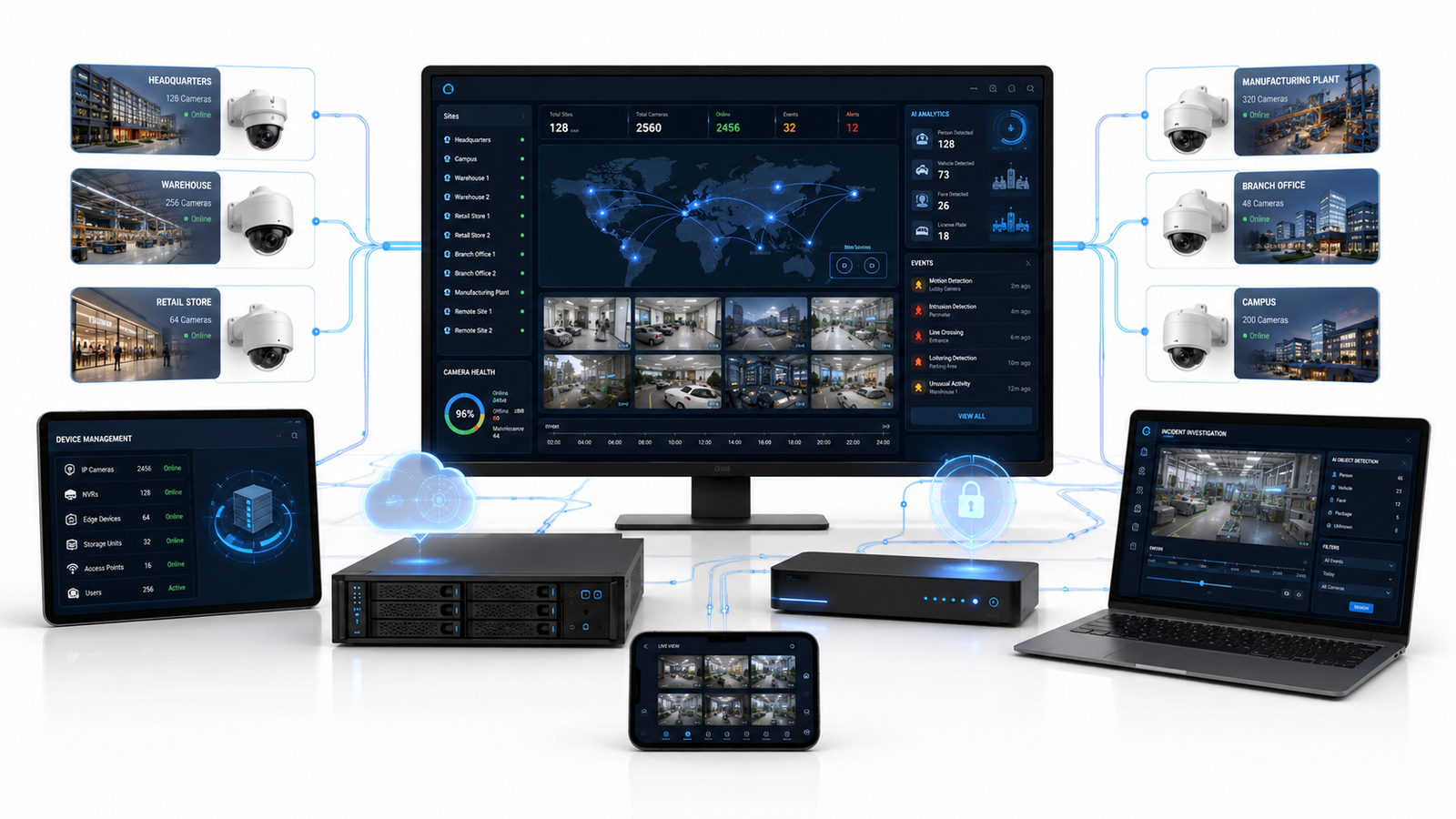
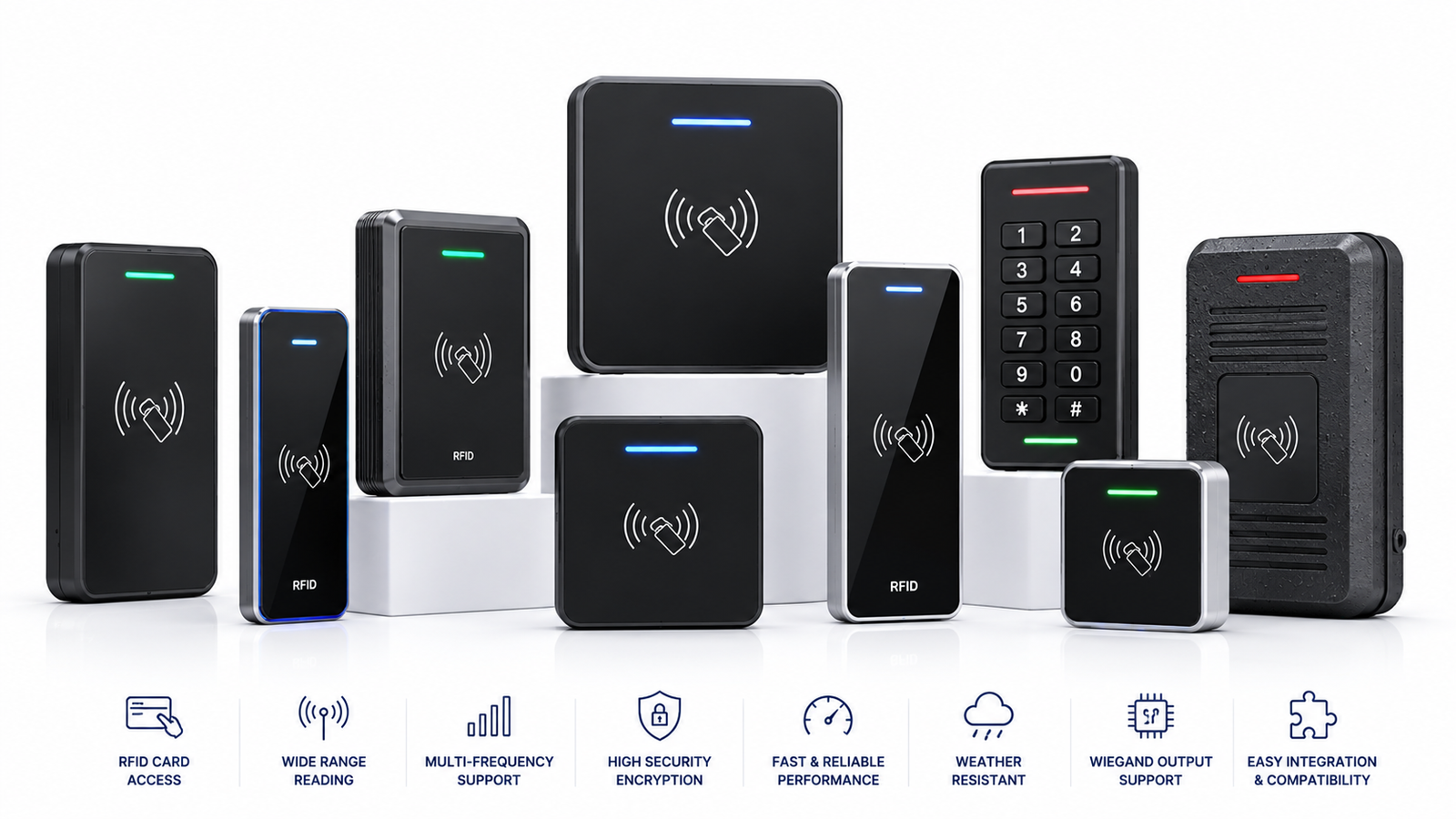
Hardware Commonly Deployed for Hospitality
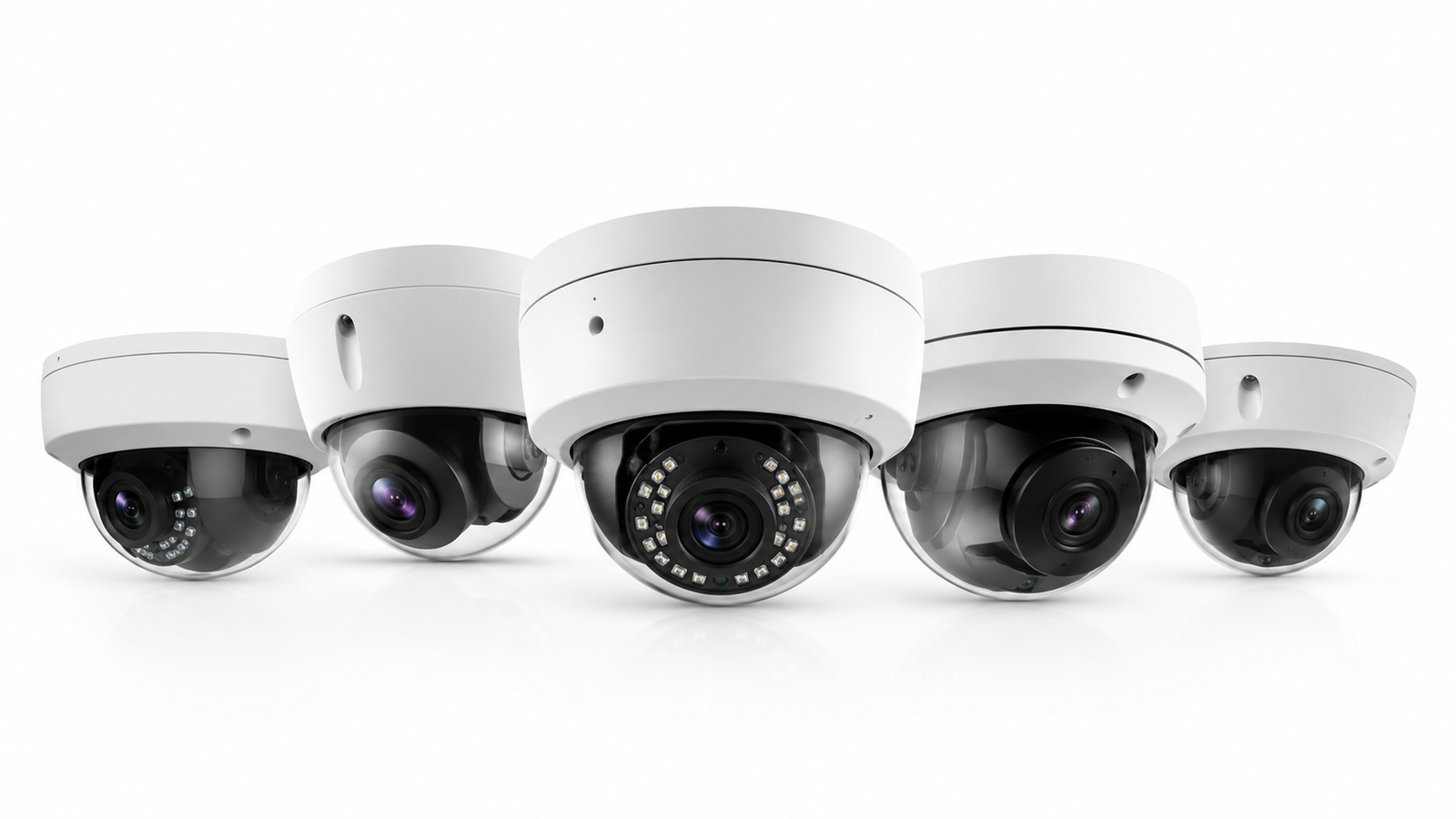
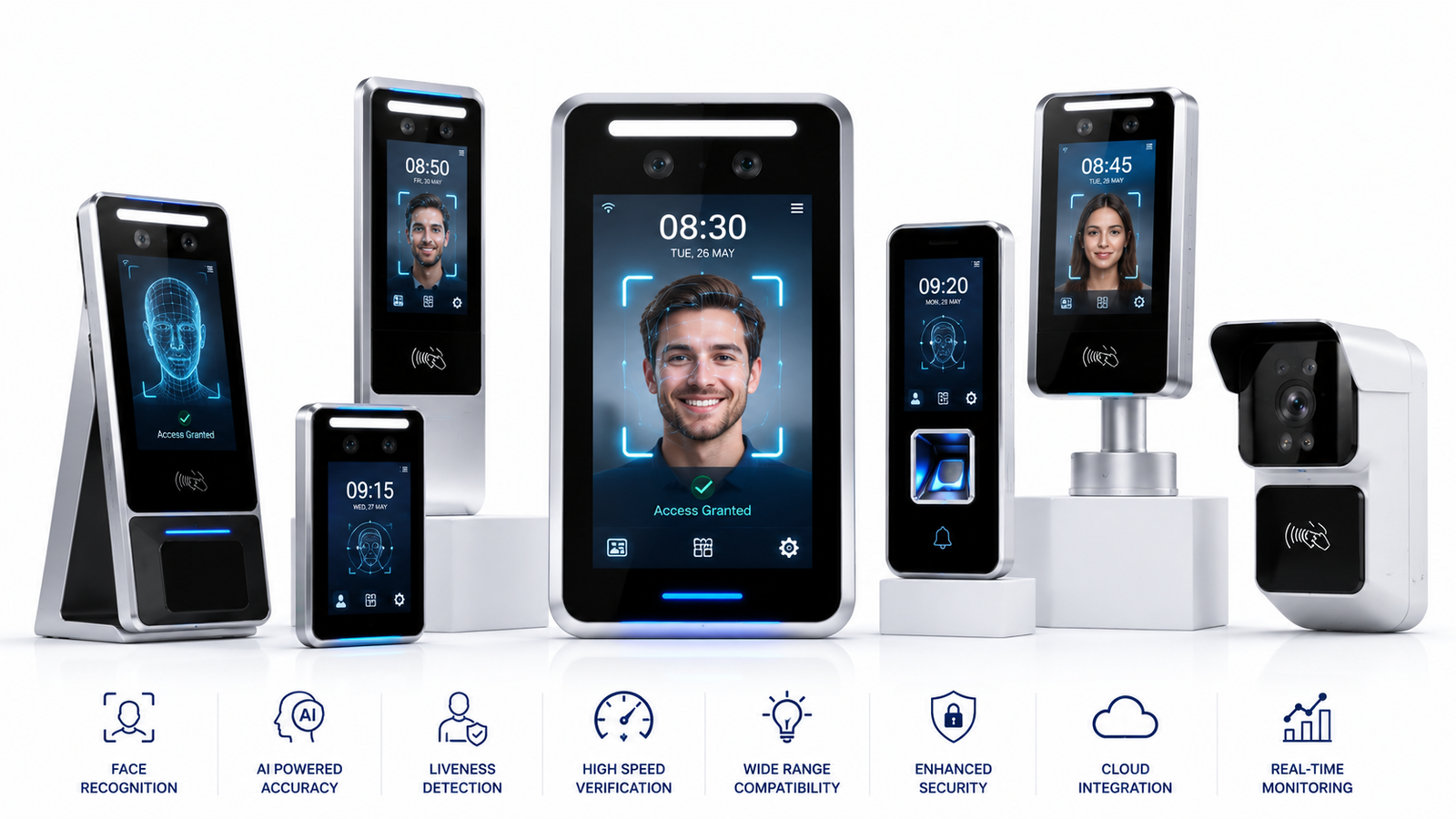
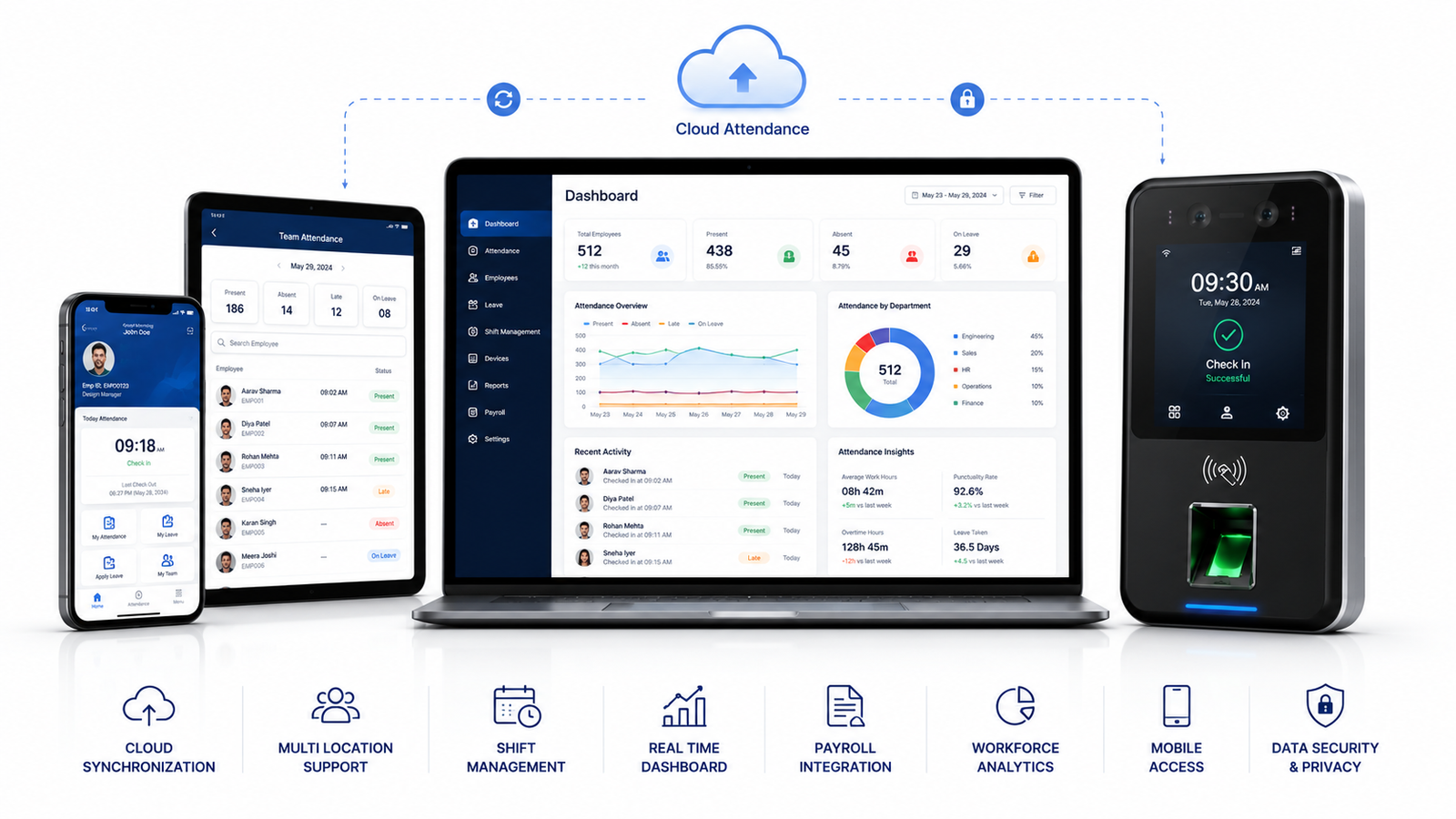
Common Questions About Hospitality Deployments
Full-Service Delivery
We supply, install, configure, and maintain everything.
Hardware Supply
Cameras, biometrics, access hardware
Professional Installation
Site survey, cabling, commissioning
Software & Config
Analytics, policies, dashboards
AMC & Support
Servicing, monitoring, SLA response
Get a Free Quote
Hospitality Security: Tell Us Your Requirement
Share your site details and we will respond with a complete proposal covering hardware, installation, software configuration, and AMC within one business day. No commitment required.
Get started
Ready to modernize security for hospitality?
Share your site details and our security architects will respond with a tailored hospitality deployment plan within one business day.